Doctor-supervised laser, glow, acne scar and anti-ageing treatments
Medical-grade laser treatments and aesthetic procedures by Dr. Pooja Baweja — premium, doctor-supervised care for natural-looking skin confidence.
From medical-grade laser to advanced body contouring — every treatment is doctor-supervised and clinically assessed.
Beautiful results begin with diagnosis: skin type, pigmentation depth, active acne, scars, hair growth pattern and contraindications decide the protocol.
Energy targets the follicle pigment. Multiple sessions are planned around the hair growth cycle.
Different lasers treat scars, pigmentation, pores or glow. Device choice depends on skin type and risk.
Injectables and PRP are medical procedures, planned by Dr. Pooja Baweja for natural-looking refinement.
Not all skin treatments are equal. The difference between a medically supervised procedure and a salon facial goes far deeper than price.
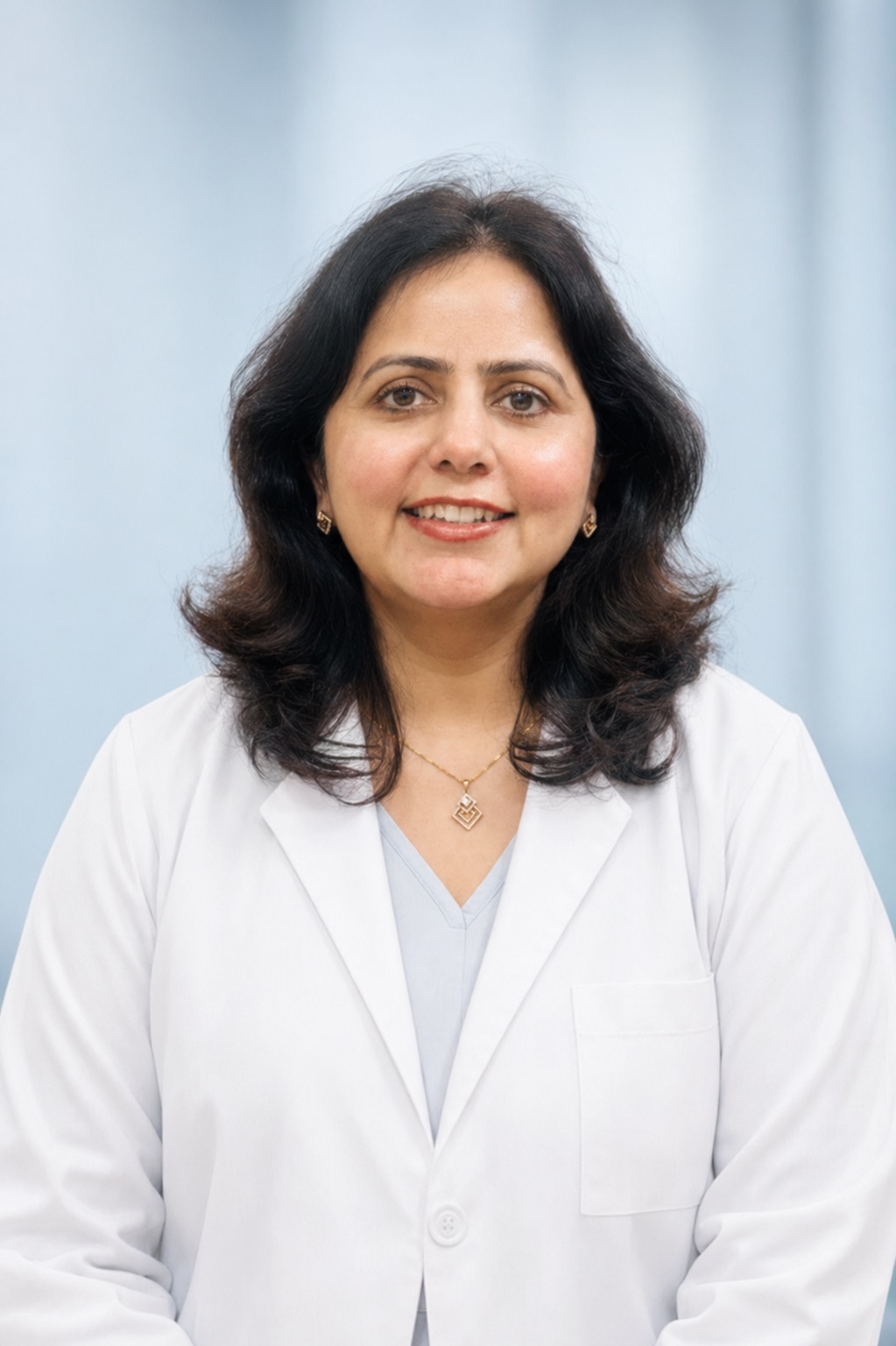
Dr. Pooja Baweja — MBBS, MD, FAM (Fellowship in Aesthetic Medicine)
Every procedure at BMH is performed or directly supervised by a qualified aesthetic physician, not a beautician.
Three procedures that consistently deliver transformative, clinically-verified results for our patients.
Our SHR (Super Hair Removal) and diode laser technology deliver controlled light energy that targets melanin in hair follicles, disabling growth at the root. Safe for all Fitzpatrick skin types (I–VI), including darker Indian skin tones that were previously difficult to treat with older IPL technology.
A carbon lotion is applied to the skin, which is then targeted by a Q-switched Nd:YAG laser. The laser energy is absorbed by the carbon particles, vaporising them along with dead skin cells, oil, and bacteria in pores. The result is an immediate improvement in skin texture, tone, and radiance — with zero downtime.
Cryolipolysis (fat freezing) uses precisely controlled cooling to bring fat cells to a temperature that triggers apoptosis — their natural, programmed death — without harming surrounding skin or tissue. Over 2–3 months, the body's lymphatic system naturally processes and eliminates the dead fat cells. This is not a weight-loss procedure; it is a targeted body contouring treatment for stubborn fat that resists diet and exercise.
MBBS · MD · FAM — Fellowship in Aesthetic Medicine
Aesthetic Physician & Skin Specialist, BMH Chandigarh
Dr. Pooja Baweja combines a strong academic foundation in medicine with a specialised fellowship in aesthetic medicine to deliver treatments that are both clinically sound and visually refined. Her approach is rooted in thorough skin assessment, evidence-based protocols, and a philosophy that aesthetic improvement should enhance — never erase — individual character.
At BMH, every laser treatment, injection, and procedure is performed with the same rigour as any other medical intervention: with documented protocols, appropriate patient selection, and outcomes-focused follow-up.
"Aesthetic medicine is about enhancing what's already there — helping patients feel comfortable and confident in their own skin."
— Dr. Pooja Baweja, MBBS MD FAM
Honest, clinically-grounded answers from our aesthetic medicine team.
Most patients require 6–8 sessions spaced 4–6 weeks apart, depending on the treatment area, hair colour, and skin type. Darker hair responds fastest because it contains more melanin to absorb the laser energy. Lighter hair and finer hair may require additional sessions. Maintenance sessions once or twice yearly are recommended for permanent reduction, as dormant follicles can occasionally become active again due to hormonal changes.
Botox (botulinum toxin type A) has a 30+ year safety record in both medical and aesthetic use. It has been used for conditions ranging from strabismus to hyperhidrosis and has one of the most well-studied safety profiles of any injectable agent. At BMH, it is administered exclusively by Dr. Pooja Baweja, a qualified aesthetic physician, using pharmaceutical-grade product at clinically validated doses. Results typically last 3–4 months, after which treatment can be repeated. With regular maintenance, the interval between treatments often extends.
Cryolipolysis (fat freezing) uses controlled cooling to trigger apoptosis — the natural, programmed death — of fat cells in the treated area. Fat cells are more sensitive to cold than surrounding skin cells, which is the basis of this selectivity. Over 2–3 months, the body naturally eliminates those dead cells through its lymphatic system. Clinical studies consistently show an average of 20–25% fat reduction in the treated zone per session. It is not a weight-loss procedure but is an effective body contouring treatment for stubborn fat deposits that are resistant to diet and exercise, such as lower abdomen, flanks, inner thighs, and double chin.
Medical aesthetic treatments use regulated, calibrated devices that penetrate specific skin layers to produce clinical results — laser, radiofrequency, medical-grade peels. These create measurable, structural changes in the skin: new collagen formation, permanent follicle reduction, targeted fat cell apoptosis. Salon treatments are surface-level and do not produce structural skin changes. Additionally, medical aesthetics requires a doctor's clinical assessment, as skin type, active conditions (rosacea, active acne, melasma), medications (like retinoids or photosensitisers), and contraindications must all be evaluated before any treatment is undertaken.
CO2 fractional laser resurfacing typically requires 5–7 days of healing, during which the skin will be red, and may have some peeling or crusting — similar in appearance to moderate sunburn. Keeping the skin moisturised and protected from sun is essential during this period. Most patients are socially presentable by day 7. Results continue to improve over 3–6 months as new collagen forms and the skin's structural matrix remodels. The full benefit of a CO2 fractional laser treatment is seen at approximately 6 months post-procedure.
The best treatment depends entirely on scar type. Depressed (atrophic) scars — including boxcar, rolling, and ice-pick scars — respond well to CO2 fractional laser, subcision, or PRP therapy, which stimulate new collagen to fill the depression. Superficial discolouration (post-inflammatory hyperpigmentation, PIH) responds well to chemical peels and IPL/Nd:YAG laser. Raised (hypertrophic or keloidal) scars require a different approach altogether. Dr. Pooja Baweja will assess your individual scar type and skin tone during consultation and recommend a personalised, multi-modality protocol for the best achievable outcome.
READY TO BEGIN?
Every treatment plan starts with an honest, thorough clinical assessment. No packages pushed. No procedures rushed.